When it comes to taking care of your vehicle, finding an efficient repair facility is crucial. Vehicle service centers are responsible not only for routine maintenance but also for diagnosing and solving larger issues that can affect performance, safety, and long-term reliability. According to WifiTalents, there are approximately 30,300 collision repair facilities in the United States. With so many options available, knowing what to look for can help you receive quality service at a fair price. Key considerations include service quality, cost, technician experience, communication, and customer satisfaction. This guide highlights the factors that define efficiency in auto repair shops, helping you make informed choices for your vehicle maintenance and repair needs.
Understanding Repair Efficiency
Efficiency in auto repairs means more than getting the job done quickly. It includes speed, accuracy, organization, transparency, and cost-effectiveness. A repair facility should complete work within a reasonable timeframe without sacrificing quality or creating preventable return visits. Efficient teams use strong scheduling systems, proper diagnostic tools, trained technicians, and clear customer communication to keep the repair process moving smoothly.
The best facilities balance quick turnaround times with dependable results. Rushed work can lead to missed problems, while slow service can create frustration and inconvenience. Efficient auto repair shops know how to manage parts, labor, inspections, and customer updates so drivers are not left guessing about the status of their vehicles. This balance helps protect both the customer’s time and the vehicle’s condition.
Service Quality and Cost Transparency
An important part of repair efficiency is finding the right balance between cost and quality. High prices do not always guarantee better service, and low prices do not always mean poor workmanship. A dependable shop should explain the work needed, provide a clear estimate, and help customers understand why certain repairs or parts are recommended. This kind of transparency reduces confusion and builds trust.
Detailed estimates and itemized invoices are strong signs of professional organization. Customers should be able to see what they are paying for, including labor, parts, fees, and optional services. Efficient auto repair shops avoid hidden charges and pressure-based upselling. Instead, they focus on necessary repairs, honest recommendations, and long-term vehicle performance.
Technician Training and Certifications
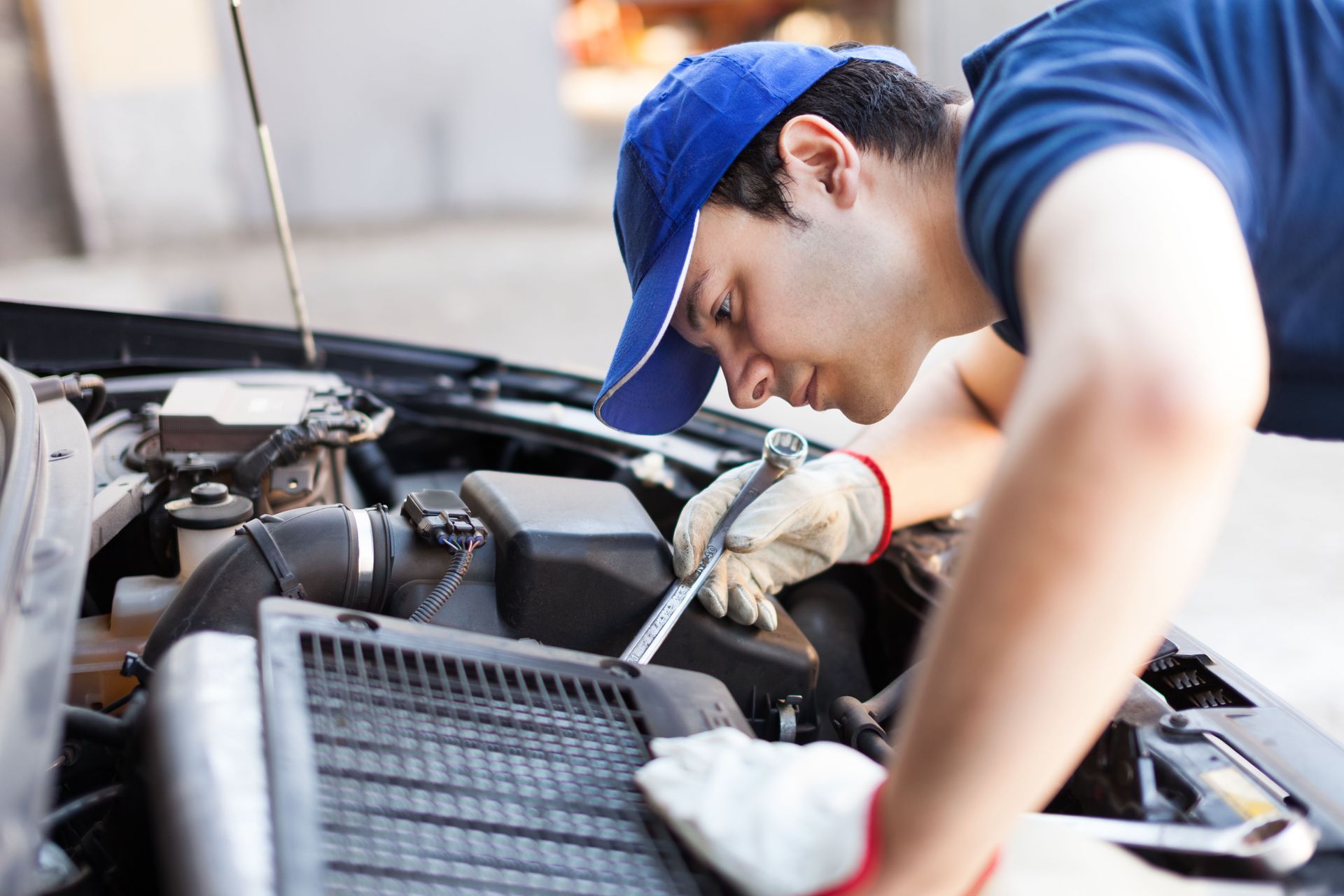
Technician experience plays a major role in how quickly and accurately repairs are completed. Skilled technicians are often better at identifying problems, choosing the right repair approach, and preventing unnecessary delays. Certifications from respected industry organizations can also show that a technician has completed training and understands current repair standards.
Ongoing education is especially important as vehicles become more advanced. Modern cars may include computerized systems, sensors, driver-assist features, hybrid components, and specialized parts. Efficient auto repair shops invest in technician training so their teams can work confidently on both older and newer vehicles. This commitment helps reduce diagnostic errors and supports better repair outcomes.
Facility Organization and Equipment
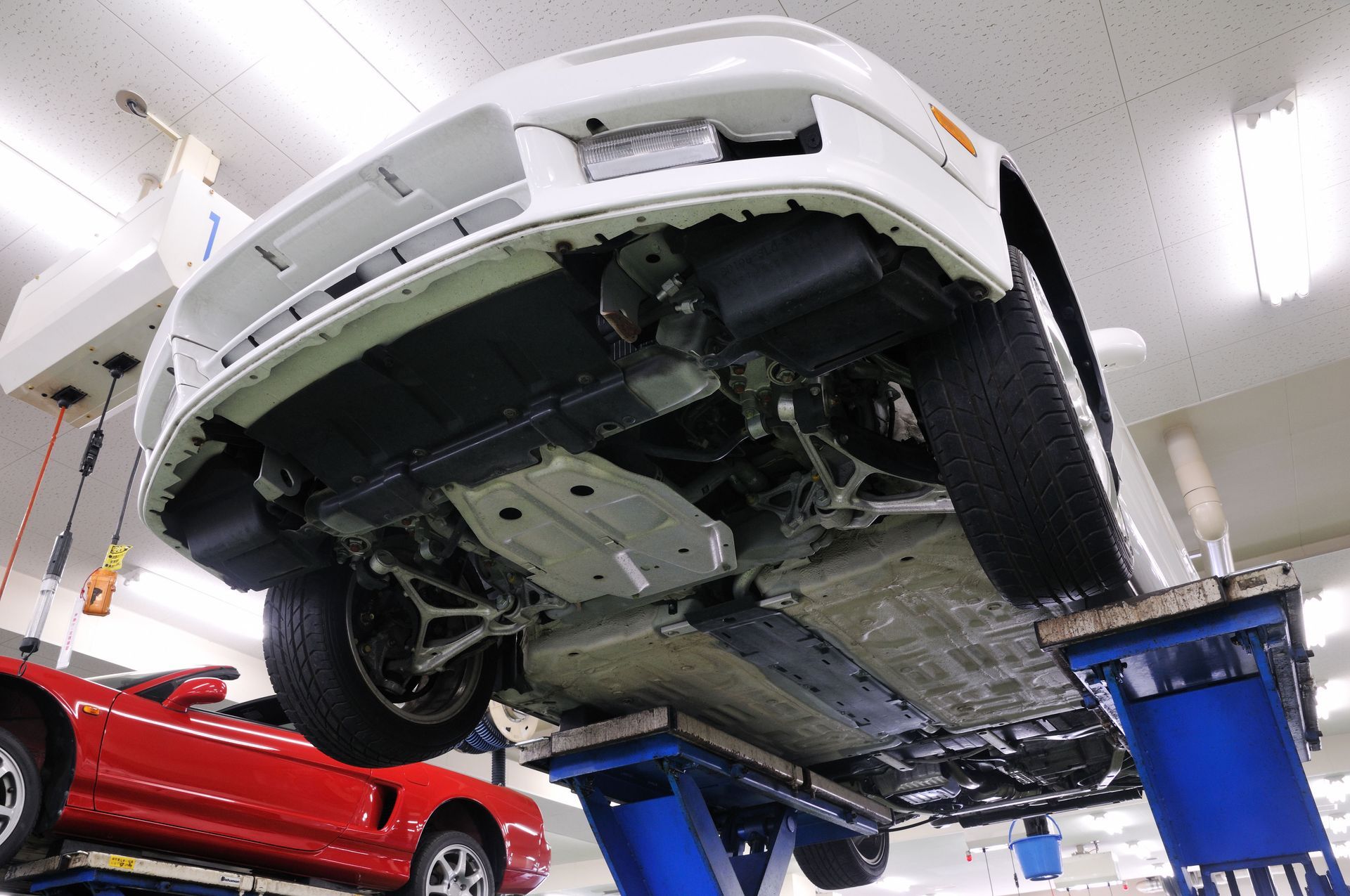
A clean, organized facility often reflects a shop’s overall efficiency. When tools, parts, work bays, and records are managed properly, technicians can complete repairs with fewer interruptions. Organization also shows attention to detail, which is important when handling complex mechanical, electrical, or body repair work.
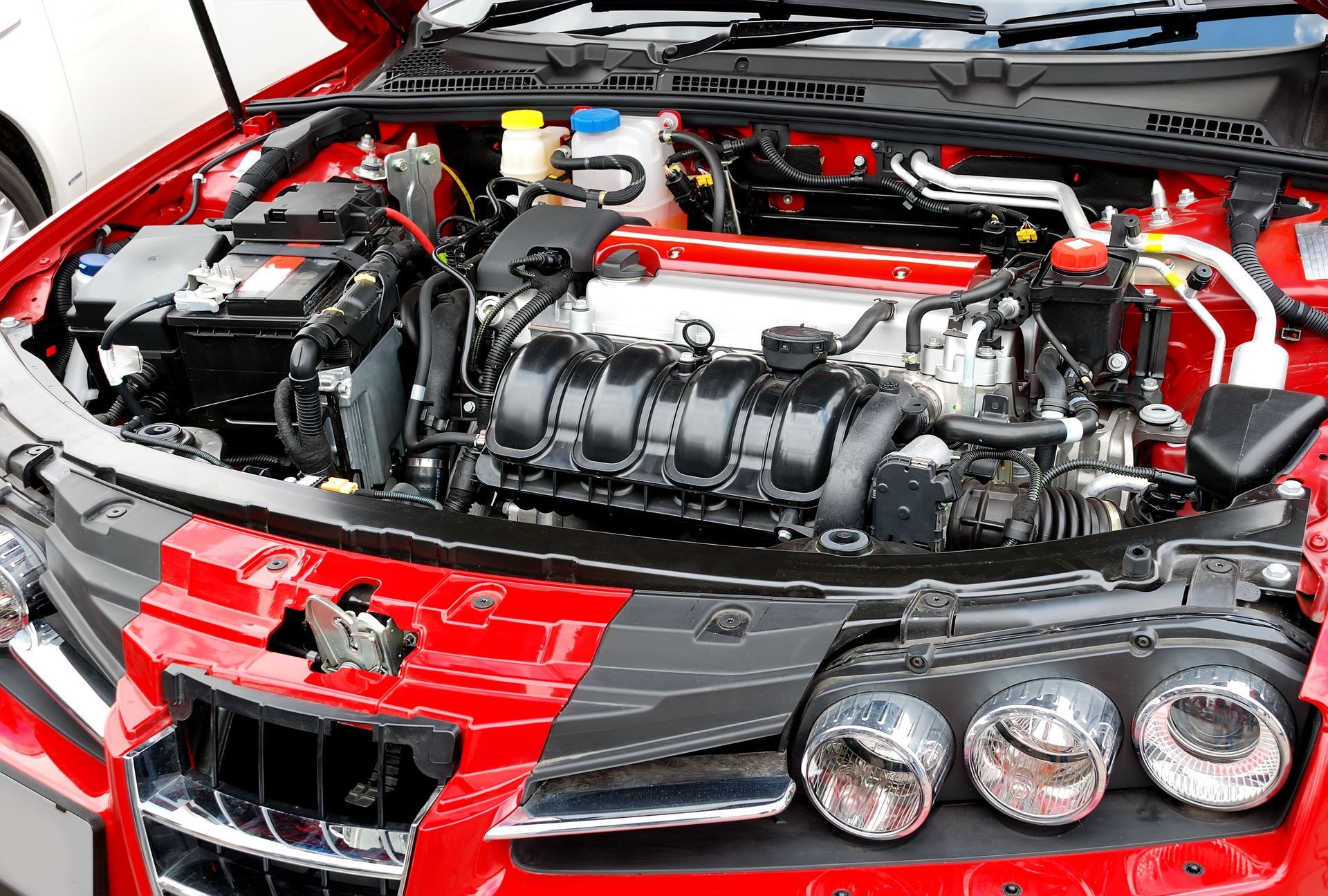
Modern diagnostic equipment is another key factor. Updated tools allow technicians to identify problems more accurately and avoid wasting time on guesswork. Efficient auto repair shops keep their equipment maintained and suited to the types of vehicles they service. A shop that invests in technology is often better prepared to deliver timely, accurate, and reliable repairs.
Customer Communication and Support
Clear communication can make the repair process much easier for customers. A professional shop should explain the issue, describe repair options, provide timeline updates, and answer questions in plain language. Customers should not feel pressured, ignored, or confused about what is happening with their vehicles.
Good communication also helps prevent misunderstandings about pricing, parts availability, and completion dates. Efficient auto repair shops keep customers informed from the first inspection to the final pickup. They may also provide follow-up support, warranty information, or maintenance recommendations to help customers feel confident after the repair is complete.
Reviews and Local Reputation
Online reviews can offer helpful insight into a shop’s service quality, professionalism, and consistency. Platforms such as Google, Yelp, and the Better Business Bureau may reveal patterns in customer experiences. While a single negative review does not always define a business, repeated complaints about delays, poor communication, or unexpected costs should be taken seriously.
Word-of-mouth recommendations are also valuable. Friends, family members, neighbors, and coworkers can provide honest feedback based on firsthand experience. A shop with repeat customers and strong local referrals is often one that has earned trust through dependable service. Comparing reviews with personal recommendations can help drivers make a more confident decision.
Warranty Policies and Long-Term Value
Warranty and guarantee policies can show how much confidence a shop has in its work. Clear warranty terms help customers understand what is covered, how long coverage lasts, and what steps to take if a problem returns. This can provide peace of mind after a repair and protect customers from avoidable future costs.
Long-term value should matter just as much as the initial price. A repair that is done correctly the first time can save money, reduce stress, and keep the vehicle safer on the road. Reliable auto repair shops understand that efficiency is not only about speed. It is also about accuracy, honesty, durability, and customer care.
Importance of Preventative Maintenance
Preventative maintenance is one of the most effective ways to improve vehicle reliability and reduce the likelihood of expensive repairs. Routine services such as oil changes, tire rotations, brake inspections, fluid checks, and battery testing help identify smaller issues before they develop into larger mechanical problems. Drivers who stay consistent with maintenance schedules often experience fewer breakdowns and better long-term vehicle performance.
Efficient repair facilities also educate customers about manufacturer-recommended service intervals and the importance of addressing warning signs early. Unusual noises, dashboard warning lights, fluid leaks, or changes in vehicle handling should never be ignored. By responding quickly to these concerns, drivers can often avoid more serious damage and maintain safer driving conditions. Preventative maintenance also supports better fuel efficiency and may extend the overall lifespan of the vehicle.
Importance of Scheduling and Workflow Management
Strong scheduling systems contribute significantly to repair efficiency. Shops that manage appointments properly can reduce long wait times and prevent unnecessary delays for customers. Organized workflow management allows technicians to prioritize urgent repairs while maintaining steady progress on scheduled services. This structure helps improve productivity without sacrificing attention to detail.
Repair facilities that communicate realistic timelines also create a better customer experience. Unexpected delays can occasionally occur because of parts availability or additional repair discoveries, but professional shops keep customers informed throughout the process. Timely updates help customers plan transportation arrangements and reduce frustration during longer repair projects.
Building Long-Term Customer Trust
Trust is a major factor in customer loyalty within the automotive industry. Drivers are more likely to return to a repair facility that consistently provides honest recommendations, dependable repairs, and respectful customer service. Shops that focus on long-term relationships instead of short-term profits often build stronger reputations within their communities.x
Choosing the right repair facility requires more than selecting the closest or cheapest option. Drivers should consider technician credentials, facility organization, customer reviews, pricing transparency, communication style, and warranty coverage. Each of these factors helps reveal whether a shop can provide efficient, dependable service. By taking time to compare options, ask questions, and review a shop’s reputation, vehicle owners can avoid unnecessary frustration and make better repair decisions. Efficient auto repair shops help drivers save time, protect their investment, and feel more confident every time they return to the road. Contact New Again Auto Repair today and learn more about our auto repair services.