One of the most effective ways to extend the life of your vehicle is to follow a consistent maintenance schedule. Your owner’s manual outlines specific service intervals for oil changes, filter replacements, fluid flushes and inspections. These recommendations are designed by the manufacturer to keep your engine, transmission and other systems operating at peak performance.
1. Monitor Fluid Levels and Replace Them Promptly
Your vehicle relies on several essential fluids to function properly, including engine oil, coolant, brake fluid, transmission fluid and power steering fluid. Each plays a critical role in lubrication, cooling and hydraulic operation. Allowing fluid levels to drop too low or become contaminated can cause serious damage.
Check your fluid levels regularly, especially before long trips. Pay attention to changes in color, consistency or smell, as these may signal contamination or internal problems. If you notice leaks under your vehicle, schedule an inspection with an experienced auto repair shop as soon as possible.
Replacing fluids at recommended intervals helps prevent corrosion, overheating and component failure. Fresh coolant keeps your engine at the proper temperature, while clean transmission fluid ensures smooth shifting. Proactive fluid maintenance is one of the simplest ways to protect your vehicle’s long-term health.
2. Pay Attention to Warning Lights and Unusual Noises
Modern vehicles are equipped with sophisticated sensors that monitor performance and alert you to potential problems. When a warning light appears on your dashboard, it should never be ignored. Whether it’s the check engine light, oil pressure warning or battery indicator, these signals are early alerts that something needs attention.
In addition to warning lights, unusual noises can indicate developing issues. Squealing brakes, grinding gears, knocking from the engine or humming from the wheels may all point to wear or damage. Addressing these concerns early can prevent more extensive repairs.
If you’re unsure what a warning light or sound means, consult your owner’s manual or visit a reputable auto repair shop for diagnostics. Acting quickly can mean the difference between a simple fix and a costly overhaul.
3. Keep Tires Properly Inflated and Rotated
Your tires are the only point of contact between your vehicle and the road, making their condition crucial to safety and longevity. Underinflated or overinflated tires wear unevenly and reduce fuel efficiency. They can also strain suspension components and increase the risk of blowouts.
Check tire pressure at least once a month and adjust it according to the manufacturer’s specifications. Many drivers overlook seasonal temperature changes, which can significantly affect pressure levels. Regular inspections for tread depth and visible damage are equally important.
Rotating your tires every 5,000 to 8,000 miles helps ensure even wear. A professional auto repair shop can also perform wheel alignments and balancing to extend tire life and protect steering and suspension components.
4. Drive Gently and Avoid Aggressive Habits
Your driving habits have a direct impact on how long your vehicle lasts. Rapid acceleration, hard braking and high-speed driving place additional stress on your engine, transmission and brakes. Over time, these habits accelerate wear and increase the likelihood of breakdowns.
Instead, adopt smooth and steady driving techniques. Gradual acceleration and braking reduce strain on mechanical components and improve fuel economy. Maintaining a consistent speed on highways and avoiding unnecessary idling also helps preserve engine health.
Gentle driving not only extends the life of your vehicle but also enhances safety. Reduced wear means fewer unexpected failures and more predictable performance over the years.
5. Protect the Exterior and Interior from Damage
While mechanical maintenance is critical, protecting your vehicle’s exterior and interior also contributes to its overall longevity and value. Dirt, road salt and environmental contaminants can damage paint and cause rust. Regular washing and waxing create a protective barrier against corrosion.
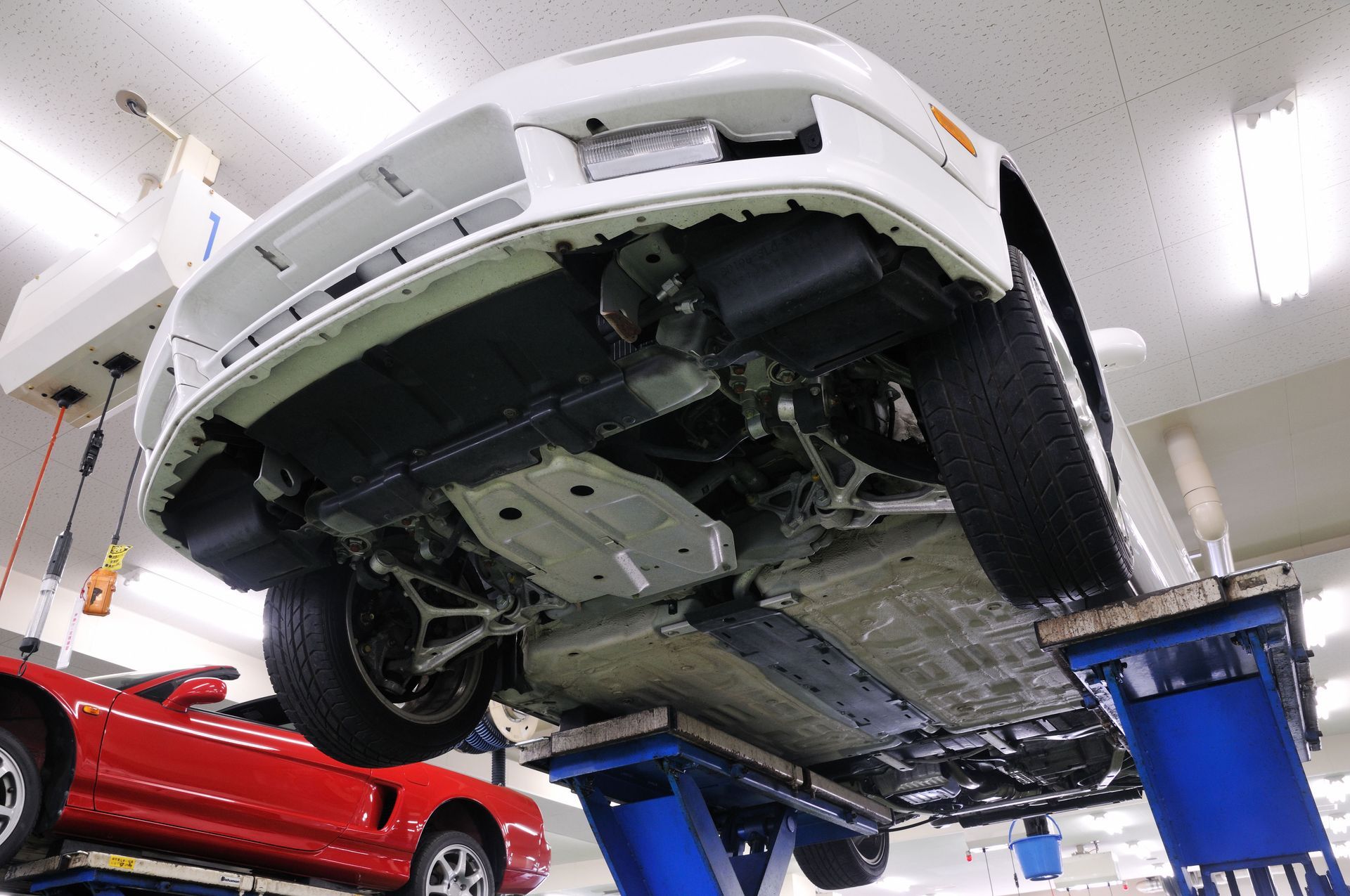
Pay special attention to the undercarriage, especially in regions where roads are salted during winter. Rust can compromise structural components and lead to costly repairs. Applying rust protection treatments when recommended can help prevent long-term damage.
Inside the vehicle, clean and condition upholstery and dashboard surfaces to prevent cracking and fading. Keeping the interior in good condition not only improves comfort but also preserves resale value when it’s time to upgrade.
6. Replace Worn Parts Before They Fail
Every vehicle component has a limited lifespan. Belts, hoses, brake pads, spark plugs and batteries will eventually wear out. Replacing these parts before they fail completely can prevent breakdowns and secondary damage to other systems.
For example, a worn timing belt that snaps can cause severe engine damage. Similarly, neglecting brake pad replacement can lead to rotor damage and reduced stopping power. Preventive replacement is often far less expensive than emergency repairs.
Establish a relationship with a reliable auto repair shop that keeps detailed service records. Professional technicians can track wear patterns and recommend timely replacements based on your driving habits and vehicle condition.
7. Maintain the Battery and Electrical System
Your vehicle’s battery and electrical system power everything from the ignition to advanced safety features. A weak battery can leave you stranded, while faulty wiring or alternator issues can affect overall performance.
Inspect battery terminals for corrosion and ensure connections are secure. Most batteries last three to five years, but extreme temperatures and short driving distances can shorten their lifespan. Regular testing during routine service visits can identify declining performance before failure occurs.
If you experience dim lights, slow engine cranking or electrical malfunctions, have your system evaluated promptly. A trusted auto repair shop can test the battery, alternator and starter to ensure reliable operation.
8. Keep the Cooling System in Top Condition
Overheating is one of the leading causes of engine damage. Your cooling system, which includes the radiator, water pump, thermostat and hoses, regulates engine temperature. Neglecting this system can result in warped components or blown head gaskets.
Flush and replace coolant according to manufacturer guidelines. Old coolant loses its effectiveness and may allow corrosion to develop inside the radiator and engine passages. Inspect hoses and clamps for cracks, leaks or softness that could indicate impending failure.
9. Store and Park Your Vehicle Properly
Where and how you store your vehicle plays a major role in its longevity. Parking in a garage or covered area protects it from sun exposure, hail and debris. Prolonged exposure to ultraviolet rays can fade paint and damage interior materials.
If garage parking isn’t available, consider using a high-quality car cover. Avoid parking under trees where sap, bird droppings and falling branches can cause damage. In colder climates, allowing your engine to warm briefly before driving can help circulate oil more effectively.
10. Stay Informed and Seek Professional Guidance
Automotive technology continues to evolve, with advanced driver assistance systems, hybrid components and complex electronics becoming more common. Staying informed about your specific vehicle’s needs helps you make better maintenance decisions.
Keep detailed service records and ask questions during routine appointments. Understanding how your vehicle operates empowers you to recognize potential problems early. The automotive service industry continues to grow as drivers prioritize maintenance and reliability; According to Gitnux, the US general automotive repair market size is estimated at $58.6 billion as of 2023.
Working closely with a reputable auto repair shop ensures your vehicle receives expert care tailored to its make, model and mileage. Professional guidance, combined with proactive maintenance, provides the strongest foundation for long-term reliability. If you are looking for a reliable auto repair service to help with your vehicle, contact New Again Auto Repair today to learn more and get started!